The NFL’s dynamic kickoff and landing-zone format is not a college football rule for Penn State’s 2026 season. The Nittany Lions’ special-teams outlook follows NCAA rules and their current roster.
The NFL implemented and later adjusted its dynamic kickoff format, including landing-zone language and touchback changes. College football has its own kickoff rules. NCAA.com and the NCAA Playing Rules Oversight Panel’s prior kickoff material describe the college framework around kickoffs from the 35-yard line, touchbacks to the 25, and the 2018 fair-catch rule that allows a fair catch inside the 25 to be treated as a touchback.
What Changed In College Football
The National Football Foundation and College Football Officiating highlighted several 2025 college rule changes, including injury timeout enforcement, coach-to-player helmet communication expansion to the Football Championship Subdivision, video review technology in FCS, eye-shield approval, and sportsmanship points of emphasis. Those updates do not establish an NFL-style dynamic kickoff for Penn State.
Penn State’s special-teams outlook depends on actual NCAA rules and current roster construction, not the NFL’s kickoff package.
Kickoff And Return Context
College kickoff strategy remains shaped by field position, coverage discipline, hang time, returner ball security, and the fair-catch/touchback tradeoff. Because receiving teams can fair catch a kickoff inside the 25 and take the ball at the 25, return decisions must be selective.
This also changes how Penn State roster analysis should be written. The team still needs defensive backs, linebackers, receivers, running backs, and tight ends who can cover and block on special teams. But it is not accurate to say roster spots must be reallocated because college coverage teams are frozen until the ball is caught under an NFL landing-zone rule.
Current Personnel Angle
Nicholas Singleton should not be listed as a 2026 Penn State return-game answer. Penn State University and GoPSUSports confirmed that Singleton was selected by the Tennessee Titans in the fifth round of the 2026 NFL Draft at No. 165 overall. Kaytron Allen was also drafted, going to the Washington Commanders at No. 187.
That means Penn State’s 2026 return game should be discussed around current roster options and practice reports, not around Singleton. The staff may evaluate running backs, receivers, corners, or safeties for return work, but a public article should avoid naming a primary returner until there is verified participation or a depth chart.
The Long Snapper Issue
Tyler Duzansky is also no longer the right Penn State roster anchor for 2026 special-teams planning. Penn State University’s 2026 NFL Draft recap listed Duzansky among the unrestricted free-agent signings after the draft, with the Las Vegas Raiders. That makes long snapper a current-roster competition point rather than a returning-veteran assumption.
Special teams should therefore be framed around three verifiable questions:
- Who handles placekicking, punting, and long snapping on the current roster?
- Which returners are actually used in spring, camp, and early-season games?
- Which depth defenders and skill players earn coverage-unit trust under Matt Campbell’s staff?
2026 Outlook
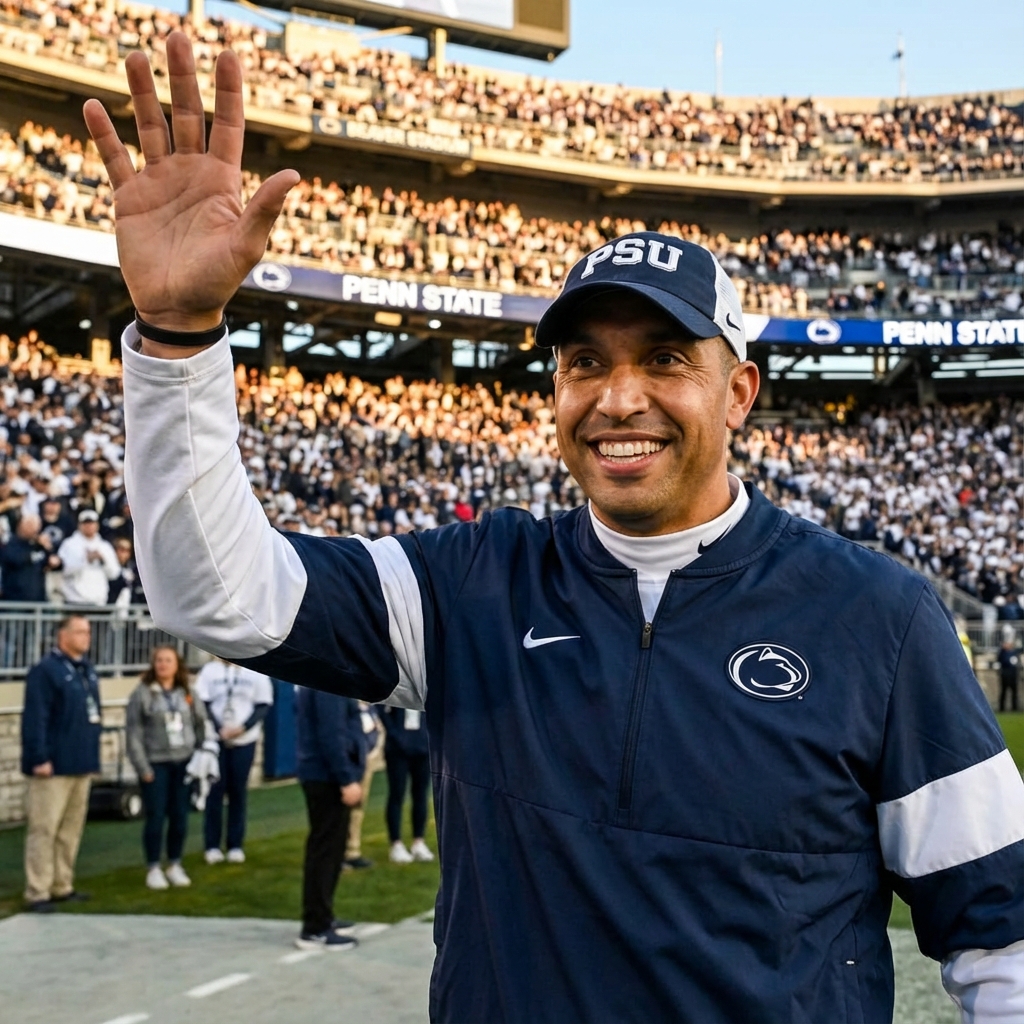
Matt Campbell’s first Penn State season still requires disciplined special teams. Hidden-yardage plays can decide close Big Ten games, and roster turnover makes specialist and return roles important. College football has not adopted the NFL’s dynamic kickoff format, so that rule does not change Penn State’s personnel needs.
Verdict
The 2026 special-teams picture depends on current personnel, college rules and actual game usage. Kicking, punting, returns and coverage remain the areas to watch.
Sources
This update was checked against NCAA.com’s kickoff rule explanation, the National Football Foundation and College Football Officiating’s 2025 college rule-change summary, NFL Football Operations’ dynamic kickoff explainer, and Penn State University’s 2026 NFL Draft recap.