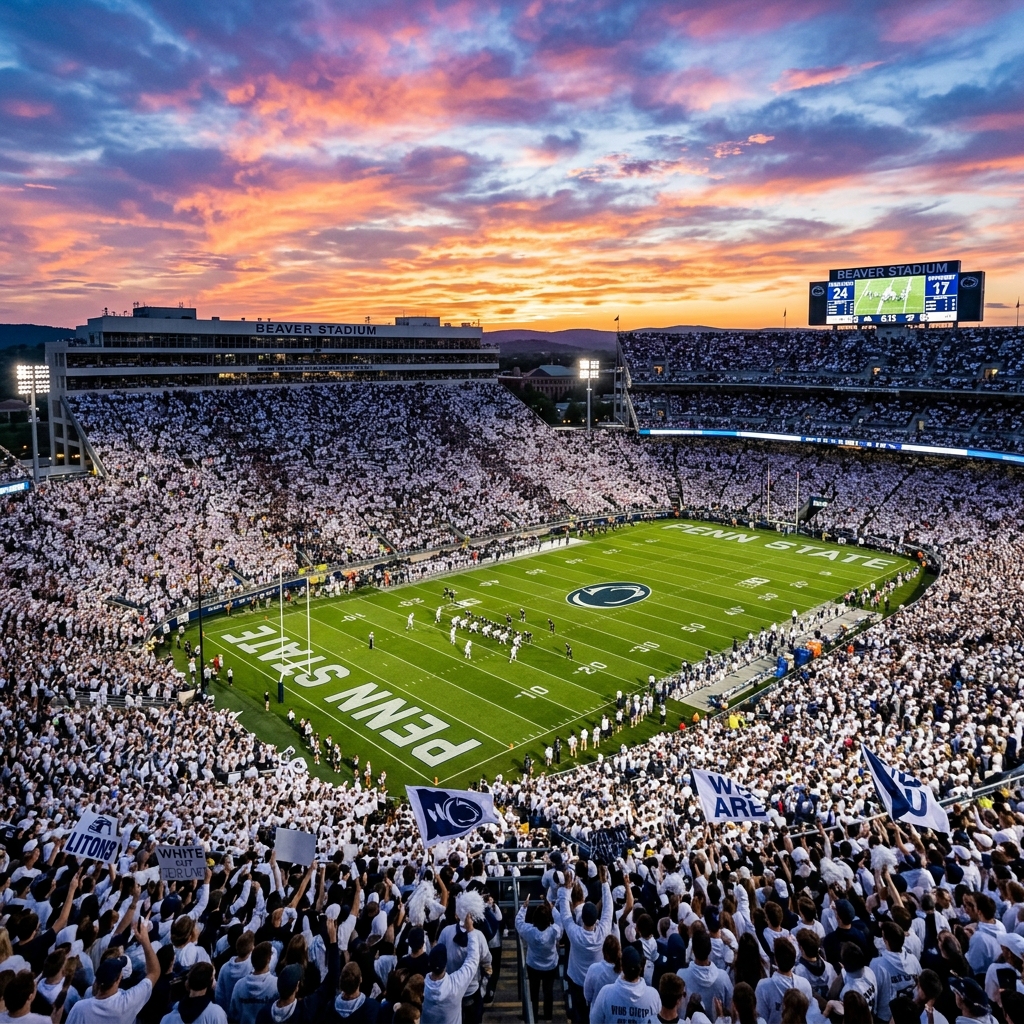
On Tuesday, March 24, 2026, the Matt Campbell era moved from press-conference framing to on-field spring practice. The Nittany Lions opened their first spring under the new staff with a changed daily rhythm and a roster still being sorted after transfer movement.
The most visible operational change was the practice schedule. Public coverage described Campbell’s Penn State program as working in the morning, a structure he had long favored at Iowa State.
What Morning Practice Changes
From a roster management perspective, the morning shift can affect more than the clock. It changes when players lift, meet, recover, attend class, and receive treatment. In a transition year, that matters because the staff is teaching both football language and daily habits.
The site should be careful not to overstate private sports-science details that have not been published. Morning practice can plausibly support recovery and academic scheduling, but specific claims about soft-tissue injury reduction or player-load tracking should be tied to official information before being presented as fact.
Penn State’s staff also includes analytics and evaluation support, including Jace Heacock in a recruiting and scouting analytics role. The safer way to frame that hire is as part of the staff’s information infrastructure, not as proof that private player-load metrics are deciding the depth chart.
Rocco Becht’s Managed Spring
The most closely watched player in these early sessions was quarterback Rocco Becht. Public reports described Becht as being managed while returning from shoulder surgery, with the staff balancing installation and recovery.
That changed spring rep distribution. Without Becht taking every team rep, the staff could evaluate quarterbacks behind him in a more meaningful way. Alex Manske, Connor Barry, and younger options had a chance to show how quickly they could process the offense and communicate against live defensive looks.
The Depth Chart Ramifications
Becht’s limited spring capacity did not erase his lead position in the quarterback room. It did make QB2 evaluation more visible.
The players who process the offense cleanly, avoid turnover-worthy decisions, and handle tempo are the ones most likely to earn trust behind Becht. That evaluation should be based on public practice reporting and fall availability, not private metrics the program has not released.
Why Practice Timing Changes the Depth Chart
Morning practices are not just a culture slogan. They change how a staff gathers information. When meetings, treatment, lifts, and class schedules are reorganized around early field work, the staff can evaluate which players process installation quickly and which players respond well to a different routine.
The analytics layer is useful only if it answers football questions. Snap workload, explosive-play prevention, red-zone efficiency, substitution timing, and special-teams availability all connect directly to the two-deep. But unless those numbers are released by an official team, NCAA, conference, or recognized statistical provider, they should be treated as categories of analysis rather than confirmed data.
The biggest watch item is whether the staff uses information to narrow competitions or simply to confirm what coaches already believe. A healthy evaluation process should challenge assumptions. If a backup defensive back communicates better in motion-heavy periods, that should matter. If a transfer receiver wins contested catches but struggles with alignment tempo, that should also matter.
Sources and Review Method
This article uses public program context from GoPSUSports football, roster references from the Penn State football roster, and schedule timing from the official football schedule. Any performance metrics discussed here are treated as analytical categories unless published by an official team, NCAA, conference, or recognized statistical provider.